The installation of the Transient Array Radio Telescope (TART) represents a significant milestone in Zambia’s journey toward becoming a regional leader in space science and radio astronomy. As part of a broader initiative across Square Kilometre Array (SKA) partner countries, TART is designed to provide hands-on training opportunities for upcoming astronomers and researchers.
The Installation at Copperbelt University
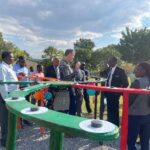
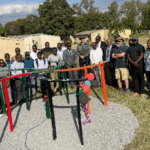
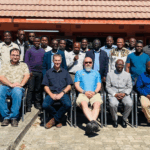
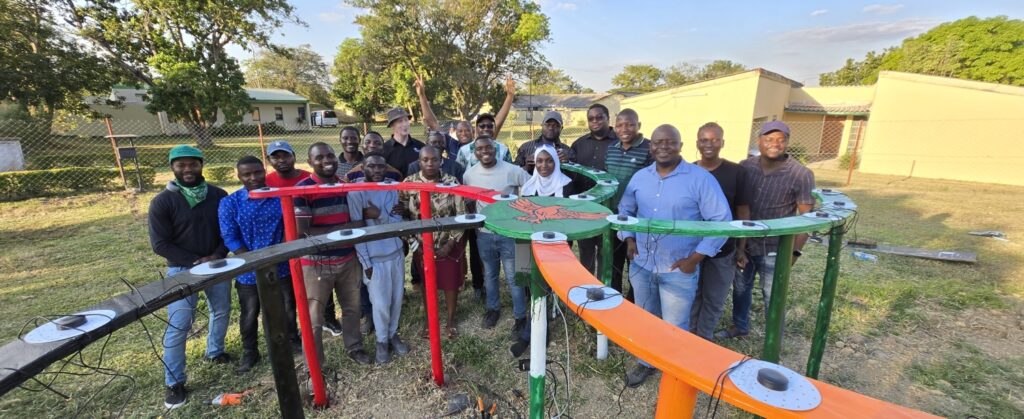
The telescope was recently installed at the Copperbelt University (CBU) Main Campus in Kitwe. The project was executed through a comprehensive five-day workshop and installation process:
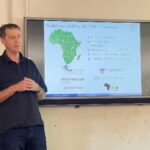
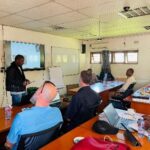
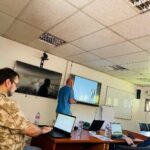
• Initial Phase: The project began with an official launch and opening lecture to introduce the technical concepts of the telescope.
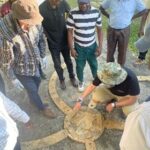
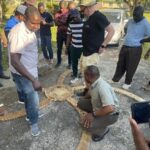
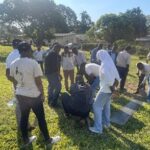
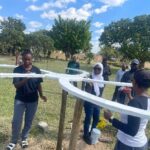
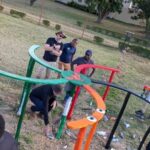
• Construction: Days two and three involved site assessments, digging, and the physical construction of antenna components.
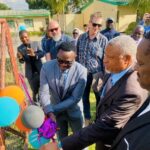
• Finalization: After painting and final component testing, the telescope was officially commissioned on the fifth day by the Vice Chancellor, Prof. Imasiku Nyambe, and the District Commissioner of Kitwe.
Strategic Importance and Training
TART serves as a practical classroom for the next generation of scientists. By engaging with the telescope’s hardware and software, students gain elite skills in radio interferometry and signal processing, which are essential for participating in world-class projects like the Square Kilometre Array (SKA) and the Africa Very Long Baseline Interferometry Network (AVN).
Funding and Collaboration
The realization of TART in Zambia is a result of strong institutional collaboration and financial support. The project, which had a budget of 600,000 ZMW, was funded by DARA (Development in Africa with Radio Astronomy) and the Ministry of Technology and Science (MoTS). This investment underscores the commitment of the Zambian government and international partners to foster human capital development and high-tech skills within the region.
By integrating such advanced infrastructure into its academic framework, Zambia is ensuring its youth are equipped to lead self-sustaining space-sector hubs and contribute to global scientific discovery.