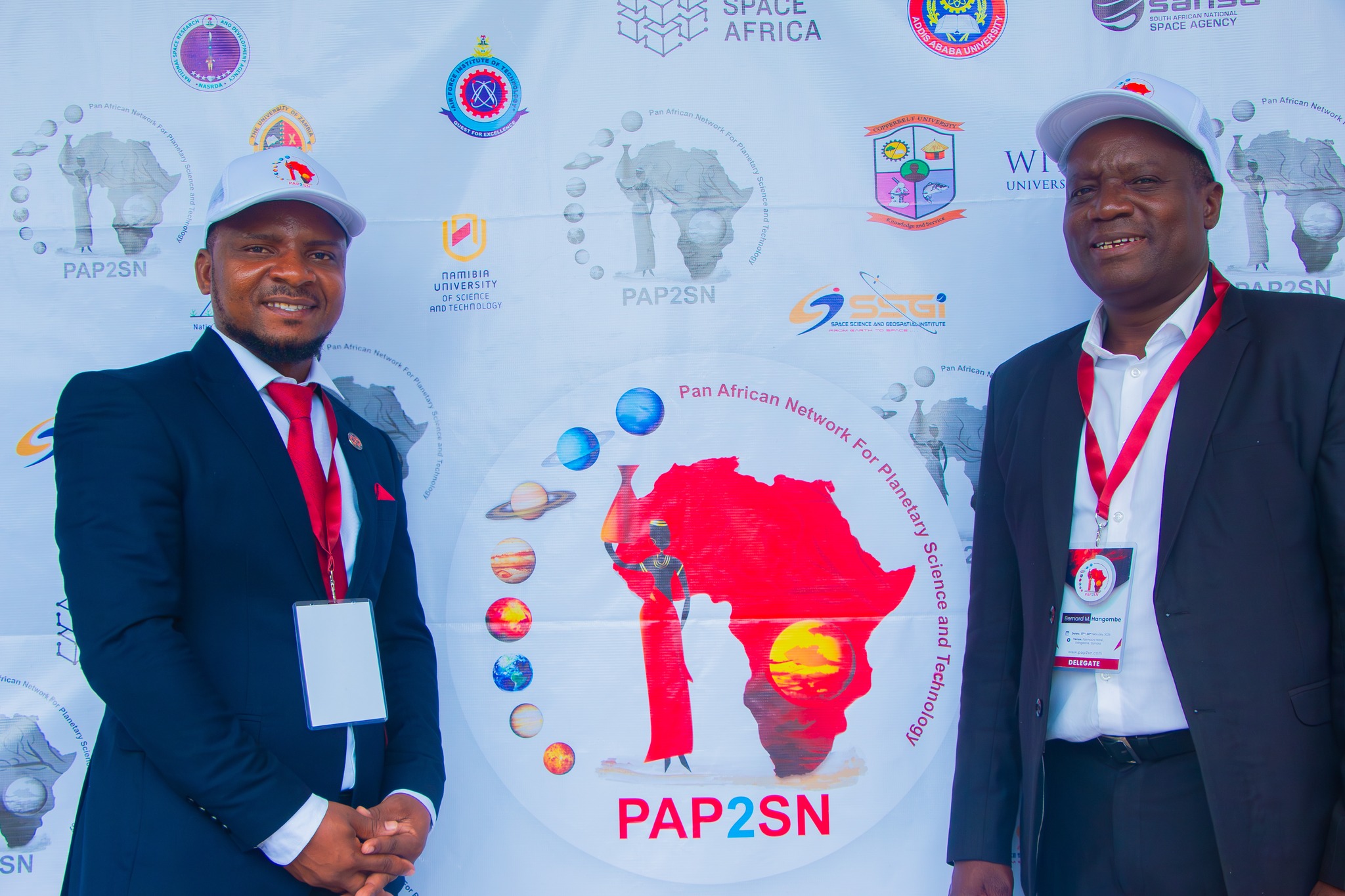
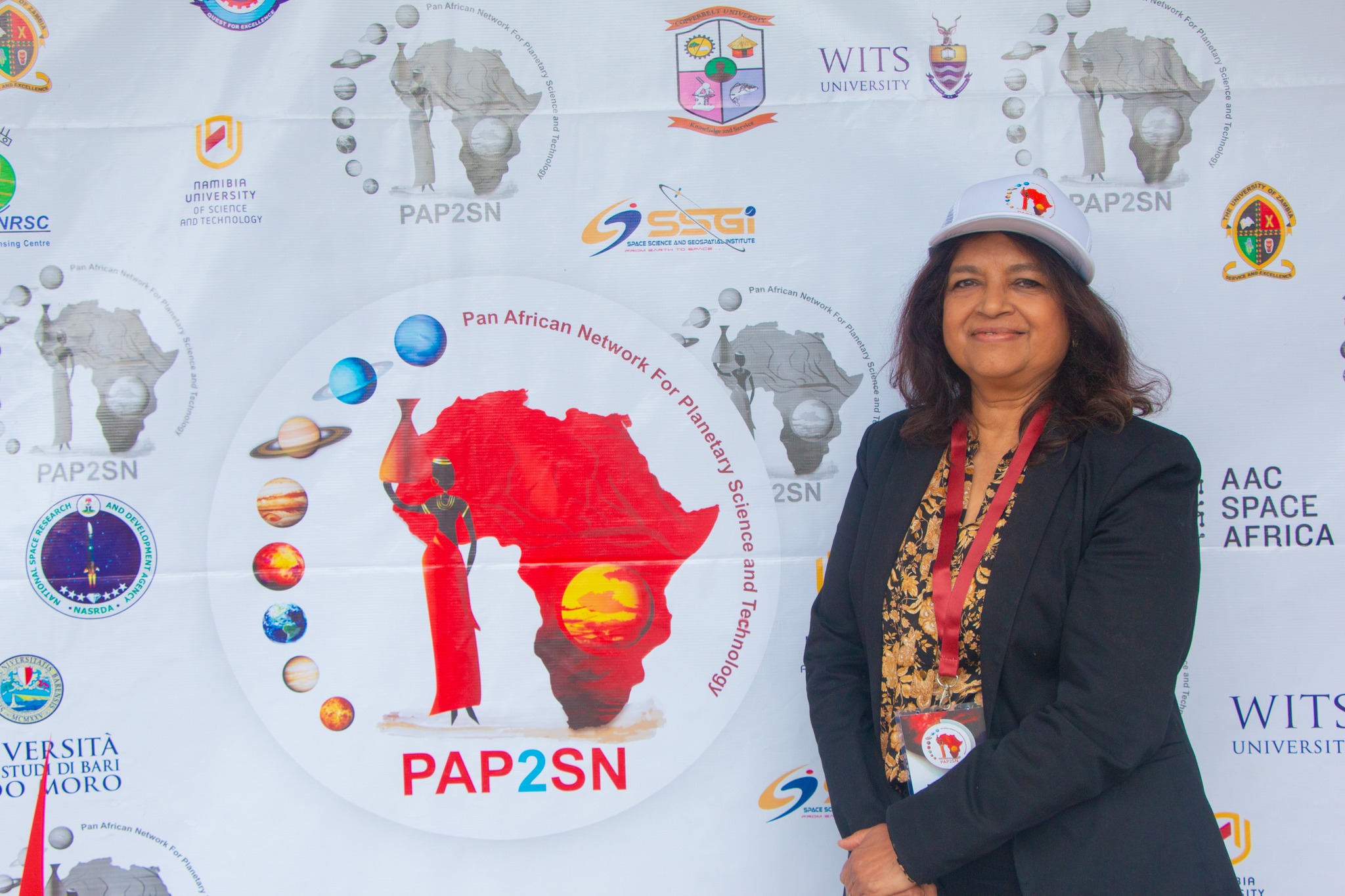
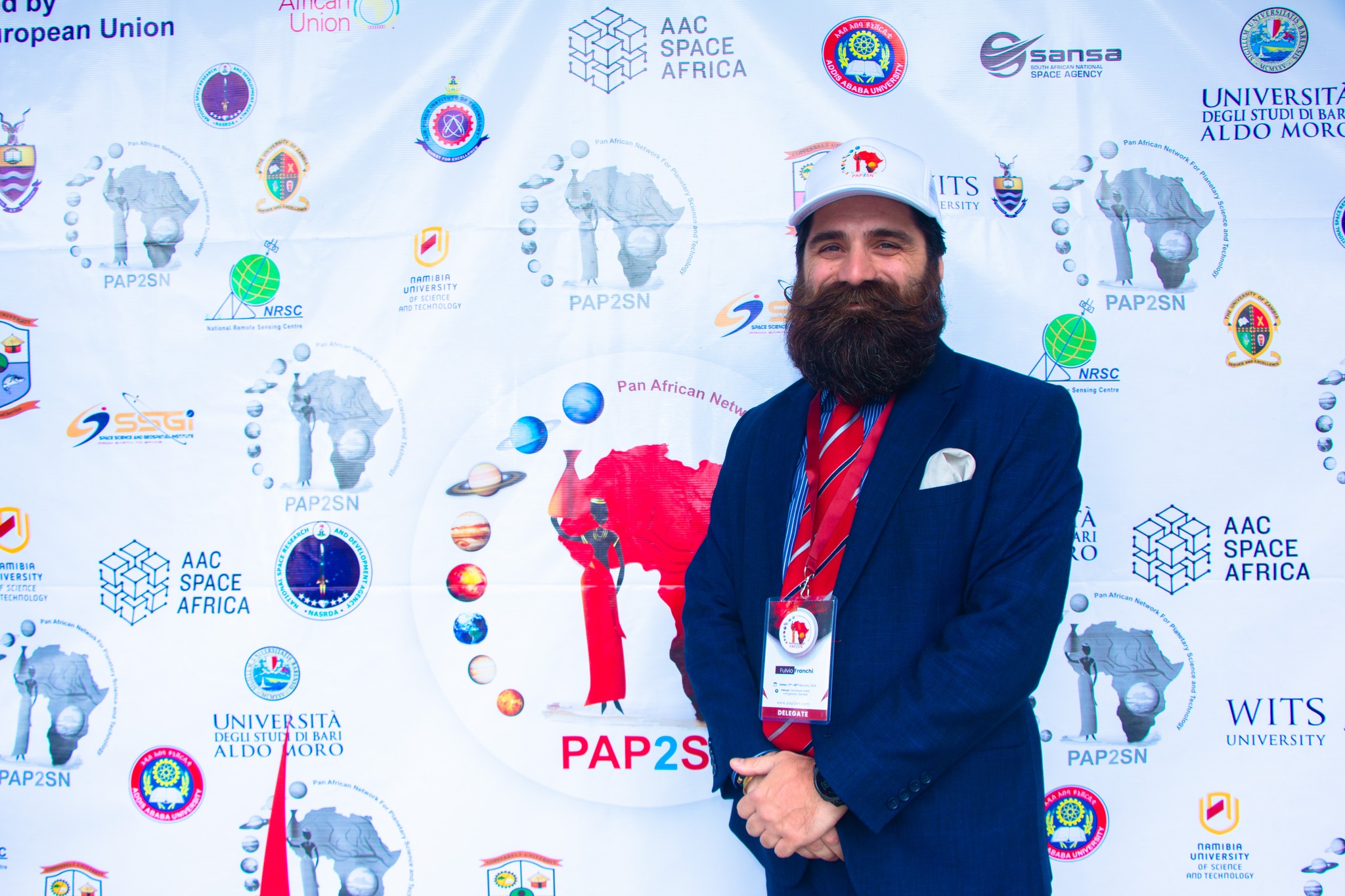
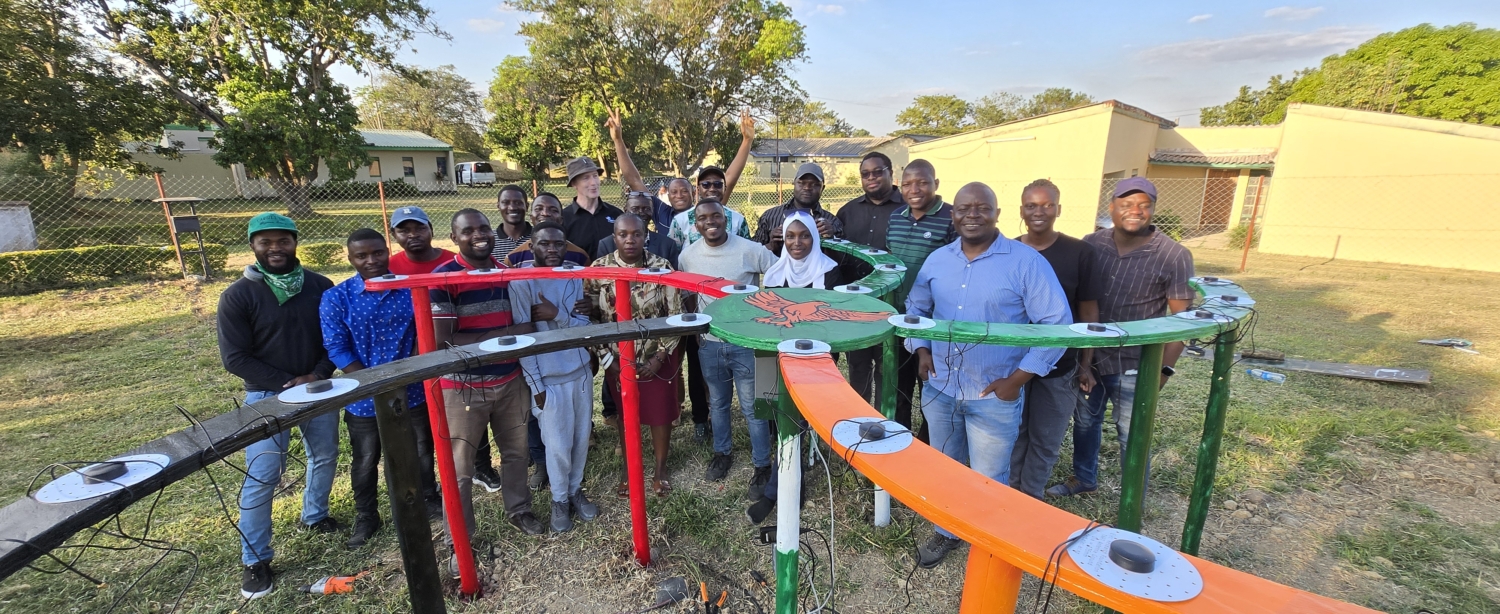
The Pan-African Network for Planetary Science and Technology (PAP2SN) has officially launched its mission to revolutionize the continent’s scientific landscape, marked by a high-profile Consortium Kickoff Meeting held in Livingstone, Zambia, from 17th to 20th February 2026,. This pioneering initiative unites leading African universities to advance education, innovation, and academic mobility in Science, Technology, Engineering, Mathematics (STEM), and ICT.
A Continent-Wide Vision for Excellence
As the lead institution, Copperbelt University (CBU)—under the guidance of Principal Investigator Dr. Saul Paul Phiri—is spearheading the consortium,. The project is designed to empower the next generation of African scientists by providing a structured framework for planetary and space science research across five key regional hubs: Ethiopia, Namibia, Nigeria, South Africa, and Zambia,.
Supported by the European Union through the Intra-Africa Academic Mobility Scheme, the project is funded at approximately €1.4 to €1.5 million,. The vast majority of these funds are dedicated to scholarships, aiming to build a critical mass of experts through:
• 8 Ph.D. Students
• 25 M.Sc. Students
• 12 Internships
• 7 Staff Mobility placements
Strategic Partnerships and Global Collaboration
The strength of PAP2SN lies in its diverse and prestigious consortium of partnering institutions:
• Copperbelt University (CBU), Zambia (Lead Institution)
• University of Zambia (UNZA), Zambia
• Air Force Institute of Technology (AFIT), Nigeria
• Addis Ababa University (AAU), Ethiopia
• Namibia University of Science and Technology (NUST), Namibia
• University of the Witwatersrand (WITS), South Africa
• Università degli Studi di Bari Aldo Moro (UNIBA), Italy (Technical Partner)
The Livingstone Kickoff: Operationalizing the Future
The inaugural meeting in Livingstone served as the operational blueprint for the network. Delegates focused on defining quality assurance frameworks, agreement structures, and the development of a Project Handbook to ensure the integrity of academic mobility across borders. Featured on the Zambia National Broadcasting Corporation (ZNBC), the event was hailed as a defining moment for Africa’s scientific trajectory and its role in the Fourth Industrial Revolution,.
By fostering joint supervision programs and specialized training, PAP2SN ensures that African youth are not just observers of the space sector but leaders in sustainable technological development,. This launch marks the beginning of a movement to transform the continent through the vast potential of planetary and space science.
PHOTO FOCUS