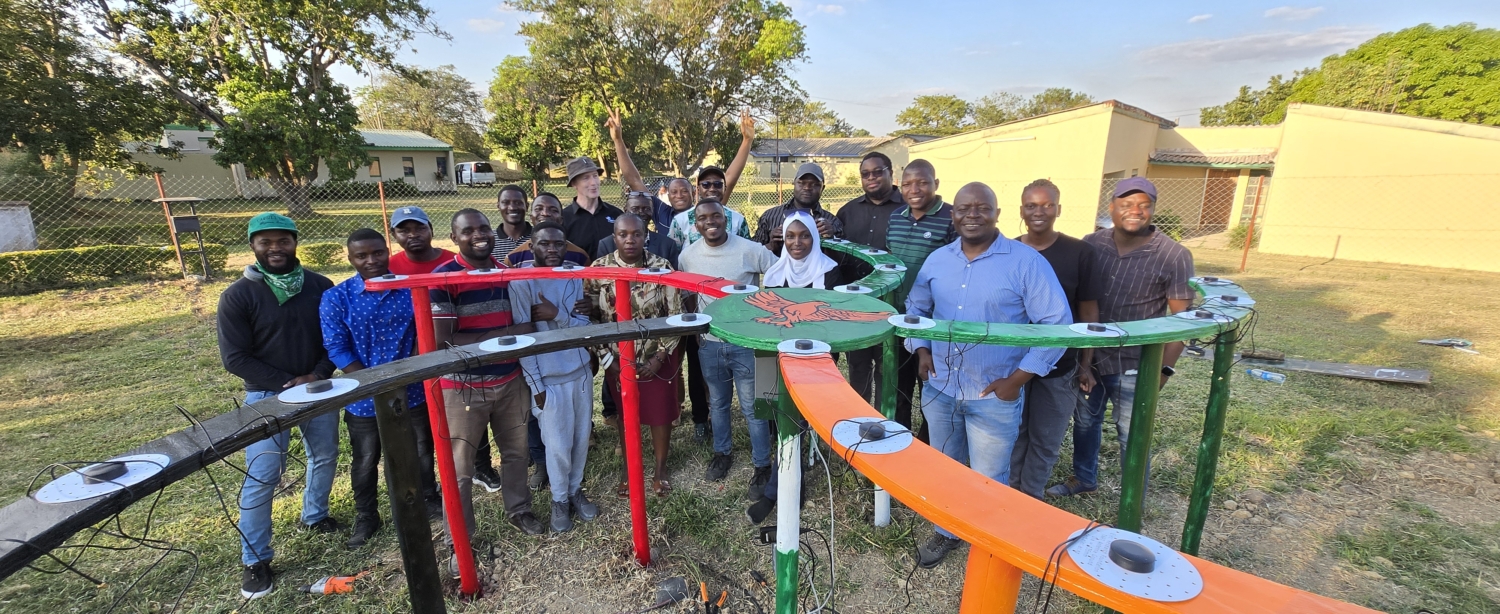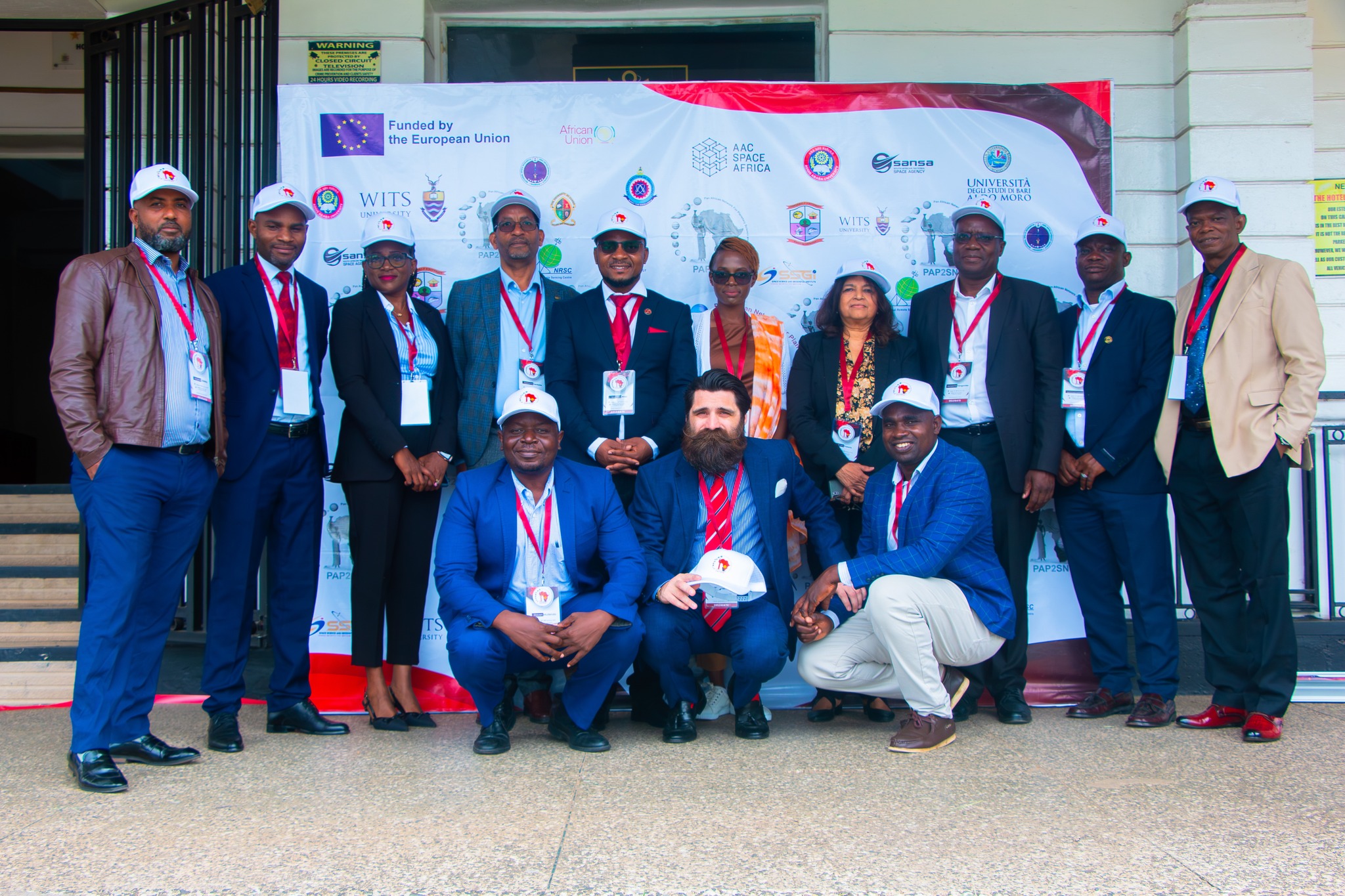
Africa’s Giant Leap: PAP2SN Network Launches to Propel Space Science and Planetary Research
Launching a New Frontier: The Pan-African Network for Planetary Science & Technology (PAP2SN)
Outreach activities are programs designed to inspire curiosity, promote scientific literacy, and increase public awareness of astronomy and space science as tools for education and sustainable development.
Core Outreach Activities Include:
• Interactive Simulations & Workshops: Using software like Stellarium and Celestia for celestial navigation, alongside workshops on the Solar System, cosmology, and space careers.
• Hands-on Learning: Practical sessions like the Galileoscope Assembly Workshop, where students build their own telescopes, and solar viewing using eclipse shades.
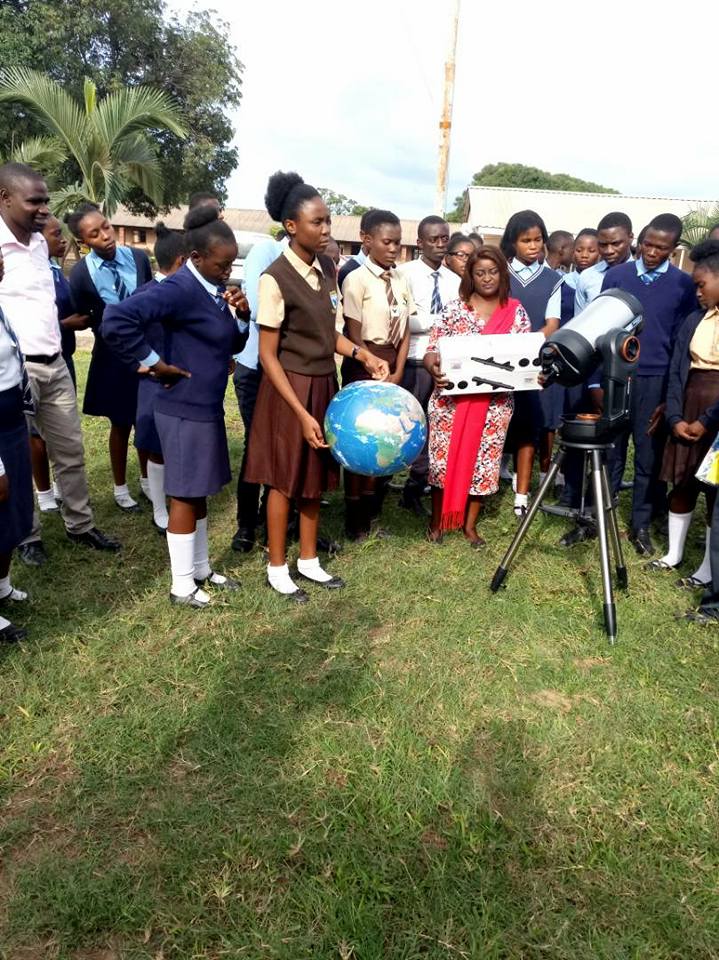
• Stargazing Events: Guided night-sky observations using advanced equipment like the Celestron Telescope to identify planets and nebulae.
• Global Commemorations: Organizing large-scale events for World Space Week and 100 Hours of Astronomy, featuring science exhibitions and debate competitions.
• Targeted Initiatives: Special programs such as Astronomy for Mental Health, which includes guided cosmic reflection and STEM activities specifically for the girl child.
SAROAD’s Involvement:
• Implementation & Coordination: SAROAD directly manages and conducts these outreach series in collaboration with partners like Copperbelt University and Fast4Future.
• Regional Support: The office provides the necessary framework for IAU-endorsed global activities like UNAWE (Universe Awareness) and GTTP (Galileo Teacher Training Programme).
• Volunteer Mobilization: SAROAD recruits and coordinates volunteers, including experts and researchers, to conduct guest lectures and school visits.
• Resource Management: The office secures funding for these events, provides technical infrastructure (e.g., telescopes and high-computing servers), and awards prizes for student competitions.
Organizing events for World Space Week (October 4-10) and 100 Hours of Astronomy, which feature science presentations, exhibitions, and debate competitions.
Telescope Construction: The Galileoscope Assembly Workshop, where students build their own telescopes to understand optics and scientific ownership.
Guided night-sky stargazing to identify planets, stars, and nebulae using professional equipment like the Celestron Telescope
Conducting sessions on the Solar System, stellar life cycles, cosmology, and careers in astronomy and space science.
Vision:
To achieve a well-established astronomy community in the region, contributing significantly to
the betterment of the region and the world at large.
Mission:
To help further the use of astronomy as a tool for development by mobilizing human and financial
resources necessary to realise its scientific, technological and cultural benefits to society.

Launching a New Frontier: The Pan-African Network for Planetary Science & Technology (PAP2SN)
From the five-day construction workshop to the official commissioning by the Vice Chancellor, discover how this initiative is preparing Zambian Astronomers to lead in the global Square Kilometre Array (SKA) era.
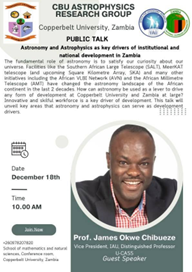
Prof James Lecture on “Astronomy and Astrophysics as key drivers of institutional and National development in Zambia”