Sol Plaatje University (SPU) in South Africa recently became a hub for scientific advancement as it hosted the Astrolab Workshop, a specialized program dedicated to building capacity in astronomy education and research. This initiative serves as a vital platform for universities with limited access to astronomical facilities, providing students with the tools and confidence to excel in the field of space science.
A Collaborative Launch
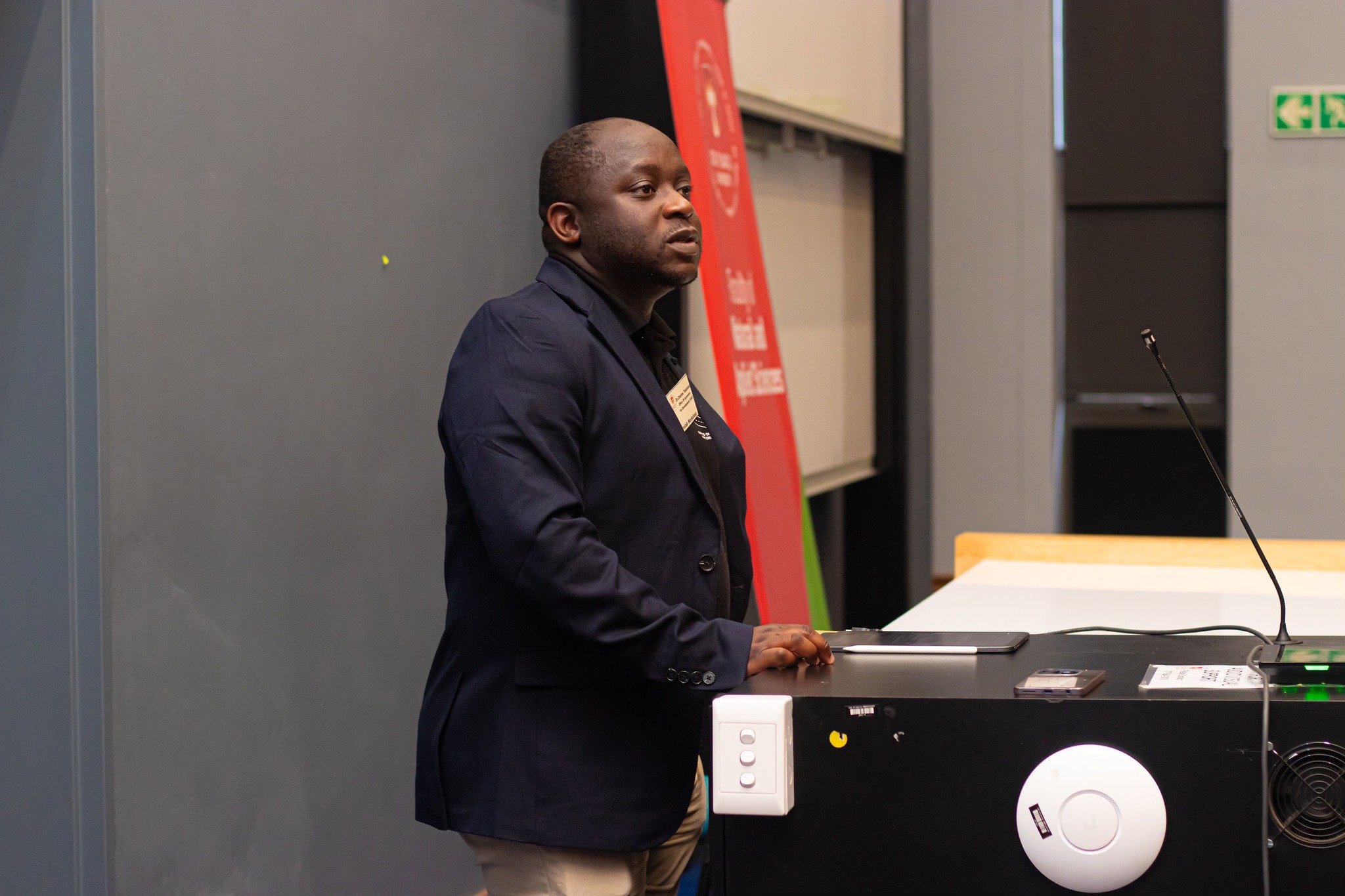
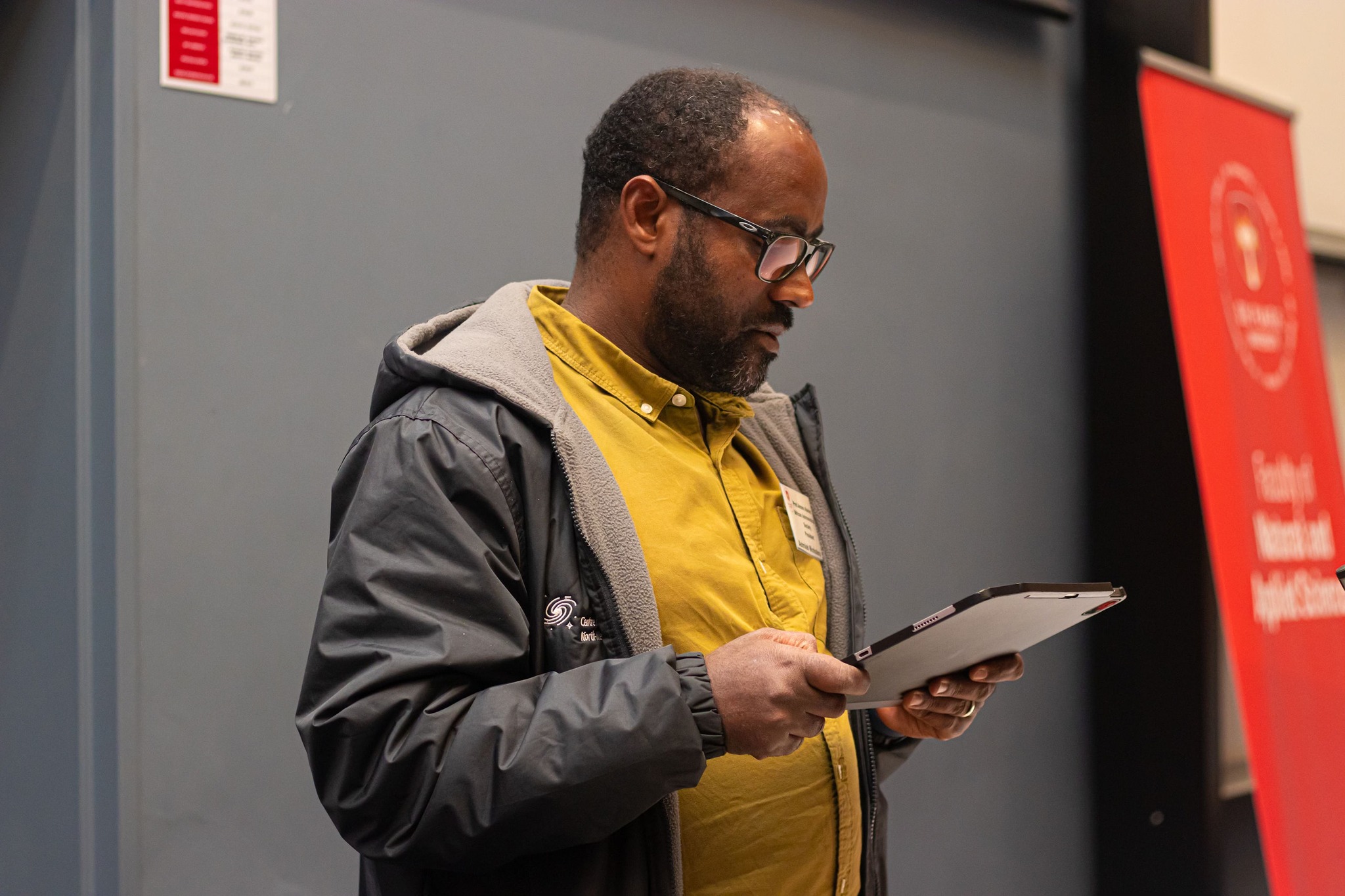
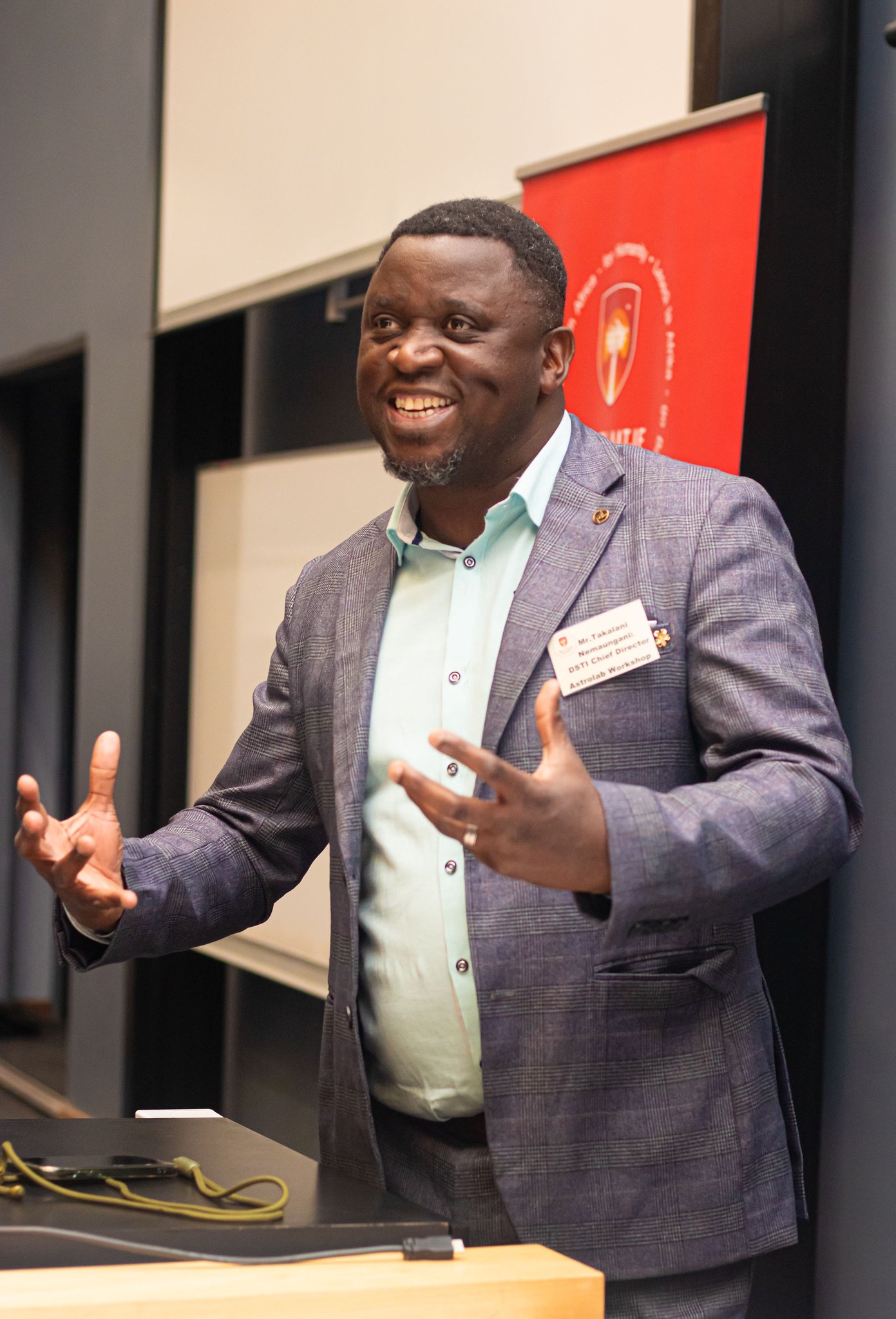
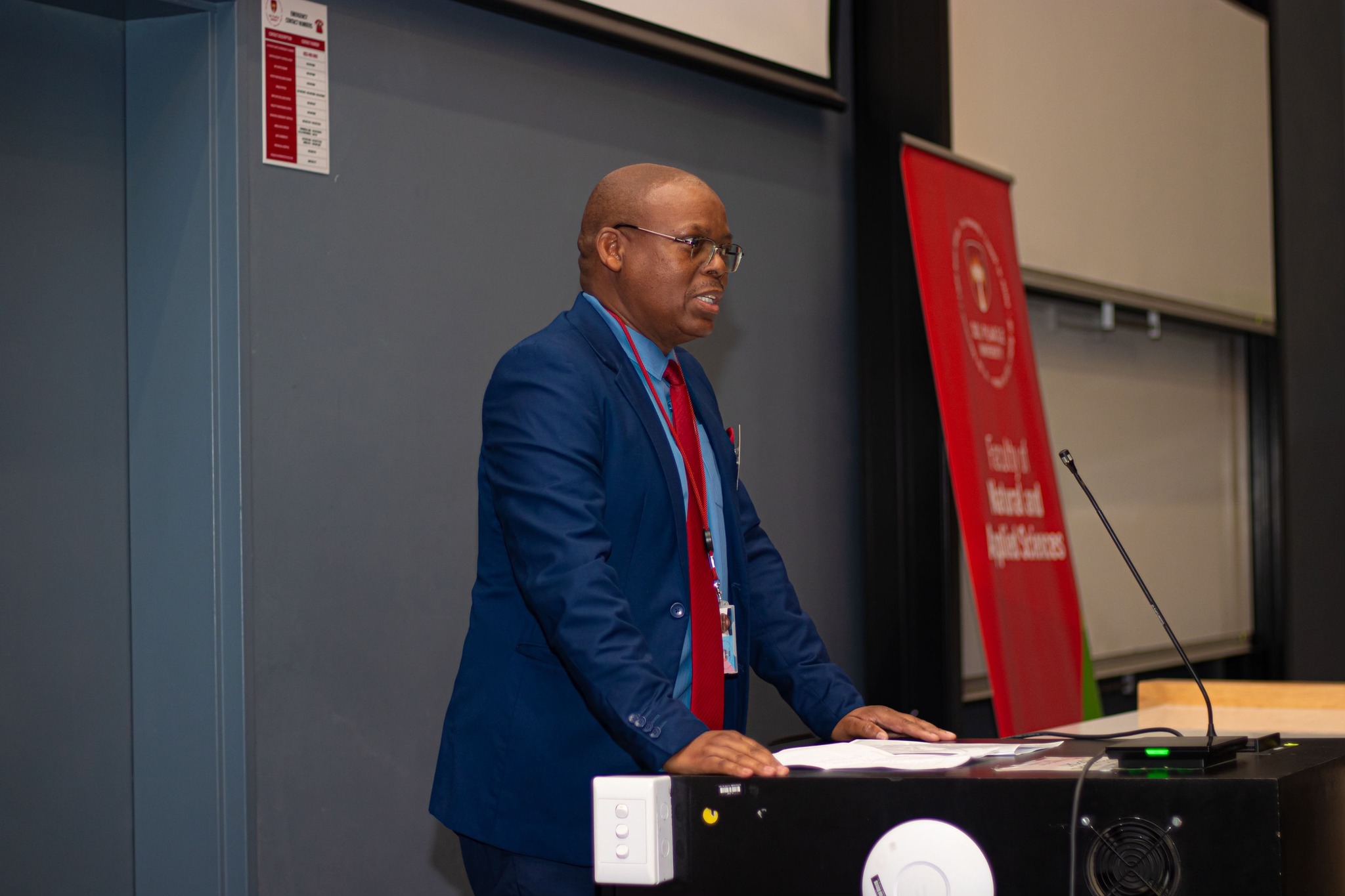
The workshop opened with remarks from distinguished leaders in the scientific community, including Prof. Martin Ntwaeaborwa (Dean at SPU), Prof. Amare Abebe (President of the African Astronomical Society), and Mr. Takalani Nemaungani from the Department of Science, Technology and Innovation. Representing the regional coordination efforts, Mr. Prospery Simpemba, the Astrolab Coordinator for SAROAD, and Dr. Charles Takalana from the IAU Office of Astronomy for Development (OAD) highlighted the importance of regional cooperation in fostering scientific literacy.
Hands-on Research and Real-time Observation
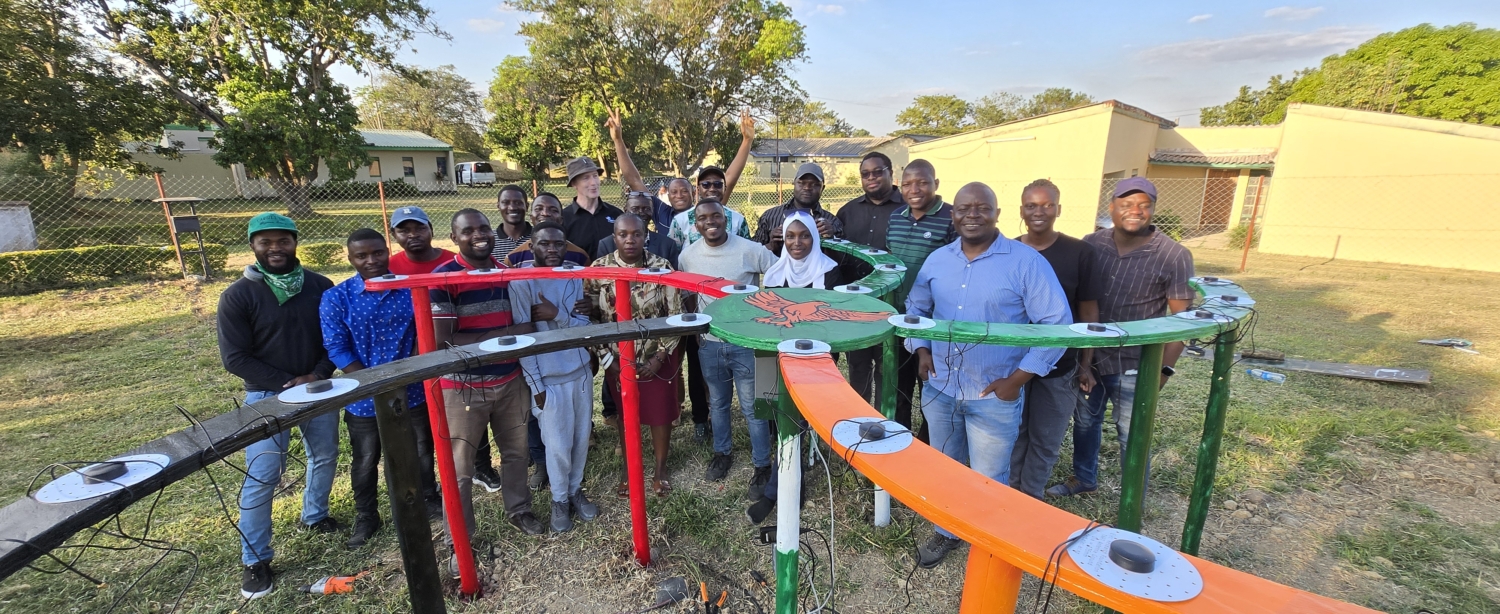
Astrolab goes beyond traditional classroom learning by immersing students and tutors in practical, high-tech activities. Key features of the workshop included:
• Remote Observations: Participants conducted real-time observations using the global network of the Las Cumbres Observatory (LCO).
• Data Science Skills: Students were trained in processing astronomical images and analyzing real datasets, mirroring the workflows of professional researchers.
• Scientific Presentation: The program concluded with participants presenting their results, nurturing the communication skills essential for a career in STEM.
A Decade of Impact
For over a decade, the IAU-OAD has been a proud partner in the Astrolab story, working alongside SPU, DSTI, and LCO to ensure astronomy serves as a driver for development. By fostering these elite technical skills, the workshop aligns with SAROAD’s broader mission to prepare African youth for global opportunities like the Square Kilometre Array (SKA) and to use scientific curiosity as a tool for societal transformation.
This collaborative effort ensures that the next generation of African scientists is not only watching the stars but is equipped with the digital and analytical skills to lead the continent’s growing space sector.